Jul, 16 2026
University life should feel safe. For too long, Pakistani campuses have avoided an honest conversation about substance use among students. BNU just changed that.
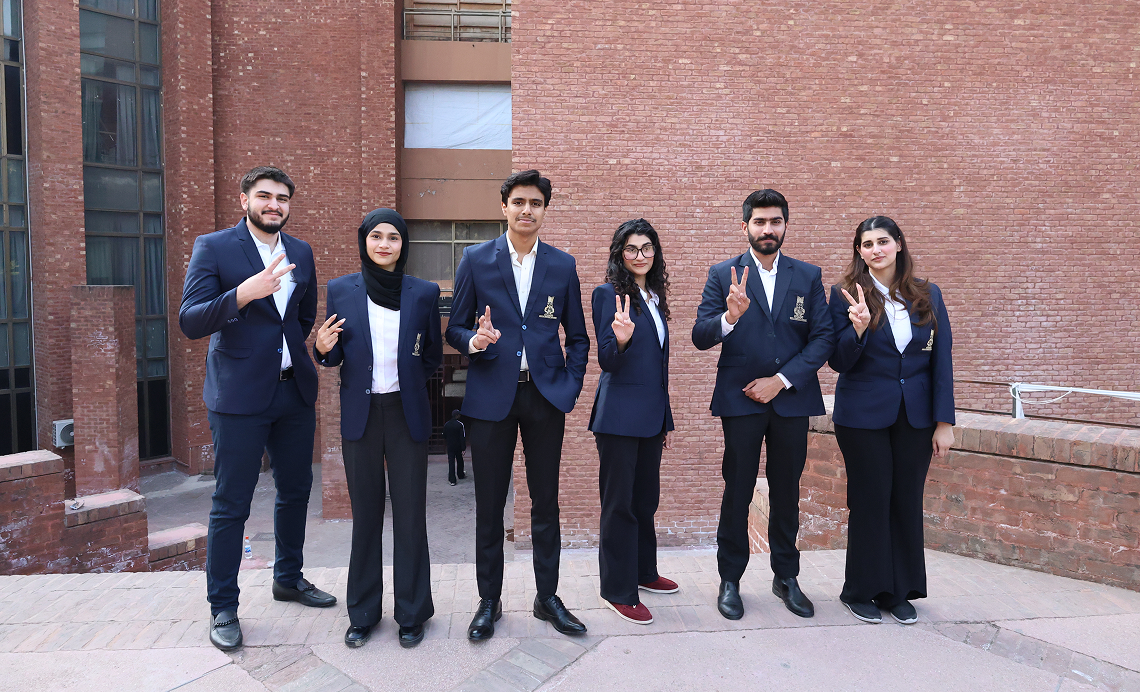
On June 13, 2026, BNU became the first university in Pakistan to launch a BNU Drug-Free Campus initiative backed by two official practice manuals. Government leaders, vice chancellors from across the country, and anti-narcotics officials attended the launch. That level of support signals something bigger than a single university policy. It marks a shift in how Pakistani higher education handles student welfare.
This article breaks down what BNU built, why it matters, and how it protects students.
Substance use on university campuses rarely gets discussed openly. Institutions worry about reputation. Many fear they lack the tools to confront drug networks near their campuses. That silence has real costs. Reports over the past decade point to rising substance use among university students, alongside troubling increases in self-harm and suicide.
BNU decided to stop avoiding the issue. The university built a drug awareness campaign rooted in its own institutional experience, not borrowed theory. According to Vice Chancellor Dr. Moeed Yusuf, it took one bold decision to break the pattern and show that change is achievable.
BNU also identified the real drivers behind student vulnerability to substance use. These include childhood or family trauma, difficult peer relationships and peer pressure, and a generational gap where Gen-Z students often feel unheard by faculty and staff. Naming these root causes gives BNU's university drug prevention work a foundation that goes beyond surface-level messaging.
At the center of this initiative sits the Substance Use Control Program (SUCP), detailed in BNU's manual From Risk to Resilience. This is Pakistan's first best-practice manual of its kind, built specifically to help universities create a drug-free environment.
The SUCP gives BNU a structured roadmap covering prevention, early intervention, and student support. Instead of leading with punishment, the program prioritizes empathy and engagement first. Enforcement still plays a role, but BNU pairs it with extracurricular outlets, constructive engagement, and psychological support.
This approach reflects a deliberate choice. BNU's leadership has stated that institutions must lead with empathy, even while maintaining clear boundaries. That balance defines how the Substance Use Control Program operates day-to-day across BNU's campus.
Campus safety at BNU isn't a single department's job. It runs through the university's broader safe campus initiative, which treats substance use as a societal issue rather than an isolated campus problem.
That framing matters. It means BNU doesn't treat affected students as problems to remove. It treats them as young people who need support systems that actually work. The university's Student Affairs Office, Counseling Center, and Health Center all connect into this wider student welfare strategy.
BNU's model has already caught the attention of Pakistan's Higher Education Commission (HEC), which is forming a committee under Dr. Moeed Yusuf's leadership to bring this framework to other institutions nationwide. Senior Minister Marriyum Aurangzeb and Provincial Minister Rana Sikandar Hayat both praised the initiative at the launch event, calling it a model for institutional courage.
The second manual, Campus Care: A Guide to Psychological First Aid, addresses something universities often overlook: what to do when a student is in visible distress right now.
Psychological first aid trains educators, staff, and student leaders to recognize warning signs and respond before a situation escalates. This isn't clinical treatment. It's the first line of support, delivered by the people students interact with daily, whether that's a professor, a hostel warden, or a fellow student leader.
By equipping non-clinical staff with these skills, BNU widens its safety net. Students don't have to wait for a scheduled counseling appointment to get help. Someone trained in psychological first aid can step in immediately, which strengthens student well-being across the entire campus, not just within the counseling office.
BNU has framed this launch as an ongoing commitment, not a one-time announcement. Dr. Moeed Yusuf described the project as a personal mission that grew into a university-wide effort involving students, faculty, staff, and leadership together.
Both manuals are publicly available, and BNU has made them free for other institutions to reference and adapt. That decision reflects the university's stated goal: contributing to the broader educational community rather than keeping this progress to itself.
For current and prospective students, this means student welfare at BNU isn't limited to academics. It extends to mental health support, drug awareness for students, and a campus culture that treats struggling students with care instead of stigma. BNU is actively working with the Government of Punjab and other universities to scale this model further across Pakistan.
It's a university-wide program launched by BNU on June 13, 2026, combining a Substance Use Control Program and a psychological first aid framework to prevent substance use and support student well-being through education and early intervention rather than punishment alone.
The SUCP is BNU's official framework, detailed in the manual From Risk to Resilience, that guides prevention, intervention, and student support around substance use on campus.
It's a manual that trains BNU educators, staff, and student leaders to recognize signs of psychological distress and provide immediate support to students before a crisis develops.
No. BNU's framework prioritizes empathy, support, and engagement first, and pairs enforcement with psychological support and extracurricular outlets rather than relying on punitive measures alone.
Yes. BNU is the first university in Pakistan to develop a comprehensive best-practice manual dedicated to building a drug-free campus, based on its own institutional experience.
Both manuals are available on BNU's official website: From Risk to Resilience: BNU Substance Use Control Program and Campus Care: A Guide to Psychological First Aid.

BNU, NUST, or FAST-NUCES? Check fees, admission criteria & scholarships to find the right software engineering university in Pakistan.

Explore the best liberal arts universities in Pakistan, compare programs, fees and scholarships & see why BNU leads the way in liberal arts education.

BNU launches Pakistan's first Drug-Free Safe Campus initiative, featuring the Substance Use Control Program & psychological first aid training for students.

Choosing a university is one of the biggest decisions you will make. And in Lahore, the options feel endless.

Pakistan has more than 200 universities. Public sector, private sector, general, and specialized, the list is long.

Computer science is no longer a niche field. It sits at the center of almost every industry today.